

At a glance
Explore five possible causes of low water pressure, from blocked aerators to hidden leaks, and learn when to contact a plumber.
Clogged Faucet Aerators: A Quick DIY Fix
“Why is my water pressure low in the house?” Sometimes, the answer is as simple as a clogged faucet aerator. This small mesh screen at the tip of your faucet is designed to regulate water flow and reduce splashing. Over time, mineral deposits and debris can collect and block water from passing through freely.
Try this quick DIY check:
- Unscrew the aerator from the faucet tip.
- Soak it in a vinegar solution for 30 minutes to dissolve buildup.
- Rinse it clean and reattach it.
If your water flow improves immediately, you’ve solved the problem yourself. In Texas, where hard water is common, cleaning your aerators every few months can prevent future blockages. But if you find that pressure issues persist across multiple fixtures, the problem may go deeper into your plumbing system.
Sediment and Mineral Buildup in Pipes
What causes low water pressure scenarios in areas with hard water, like much of Texas? If you’ve ruled out your aerators, sediment and scale buildup in your pipes might be the next suspect. Calcium and other mineral deposits can accumulate along the interior of pipes, narrowing the passageways and restricting water flow.
Sediment can also accumulate in your water heater, especially if you haven't flushed it in a while. It can also restrict water flow and disrupt temperature consistency, where you will notice weaker pressure when using hot water, cloudy or discolored water from your taps, or faucets that sputter as trapped air escapes.
Persistent buildup or a restriction may require professional inspection. Request plumbing service from Stellar so the cause and an appropriate repair can be assessed.
Faulty Pressure Regulator or Valve Issues
If the water pressure suddenly drops throughout your home, the pressure regulator may be the culprit. This small but essential device keeps the water coming from the main line at a steady, safe level. When it begins to fail, the pressure can change drastically, sometimes dropping to a weak trickle, other times surging high enough to stress your pipes and fixtures.
Similarly, partially closed or corroded main shut-off valves can also limit flow. These valves are often located near the water meter or where the main line enters your home. It’s worth checking that they’re fully open, but beyond that, further adjustments should be left to professionals.
Pressure regulator and valve problems are best assessed by a plumber. If you suspect a malfunction, request plumbing service rather than attempting adjustments without understanding the system.

Hidden Leaks and Pipe Damage
Another common reason for loss of water pressure in the house is leaking or damaged pipes. Even small leaks can redirect significant amounts of water before it reaches your faucets, leaving you with weak flow and higher utility bills. Leaks often occur in areas that are difficult to detect, such as behind walls, under slabs, or along outdoor irrigation lines.
Watch for these warning signs:
- Damp or discolored walls and ceilings
- Visible mold or mildew growth
- Musty odors
- Unexplained increase in your water bill
- Constant sound of running water
Hidden leaks can waste water and damage building materials. According to EPA WaterSense guidance, the average household’s leaks can waste more than 9,300 gallons of water a year. If you suspect a leak, request professional help to identify the source and discuss repairs.
Municipal or Supply Line Problems
Sometimes, the problem isn’t inside your home at all. Citywide maintenance, a burst water main, or temporary adjustments to the municipal supply can all cause sudden drops in pressure. Check with your neighbors to see if they’re having the same problem. You can also contact your local water utility for updates on repairs, maintenance work, or routine line flushing that might be affecting your area.
If the issue appears isolated to your home, it’s worth calling a professional to confirm. Our technicians can determine whether the cause is internal or external, saving you unnecessary guesswork and helping you understand the real reasons for low water pressure in the house.
When To Call the Professionals
When quick DIY fixes don’t restore full pressure, it’s time to call in the experts, like those from Stellar Home Maintenance. Fixing persistent low flow requires specialized tools and expertise. Attempting to handle these issues on your own can lead to further complications or even flooding.
If basic checks do not explain low water pressure, request plumbing help from Stellar. Our team will confirm service availability and appointment details; diagnosis and repair timing depend on the problem and scope.
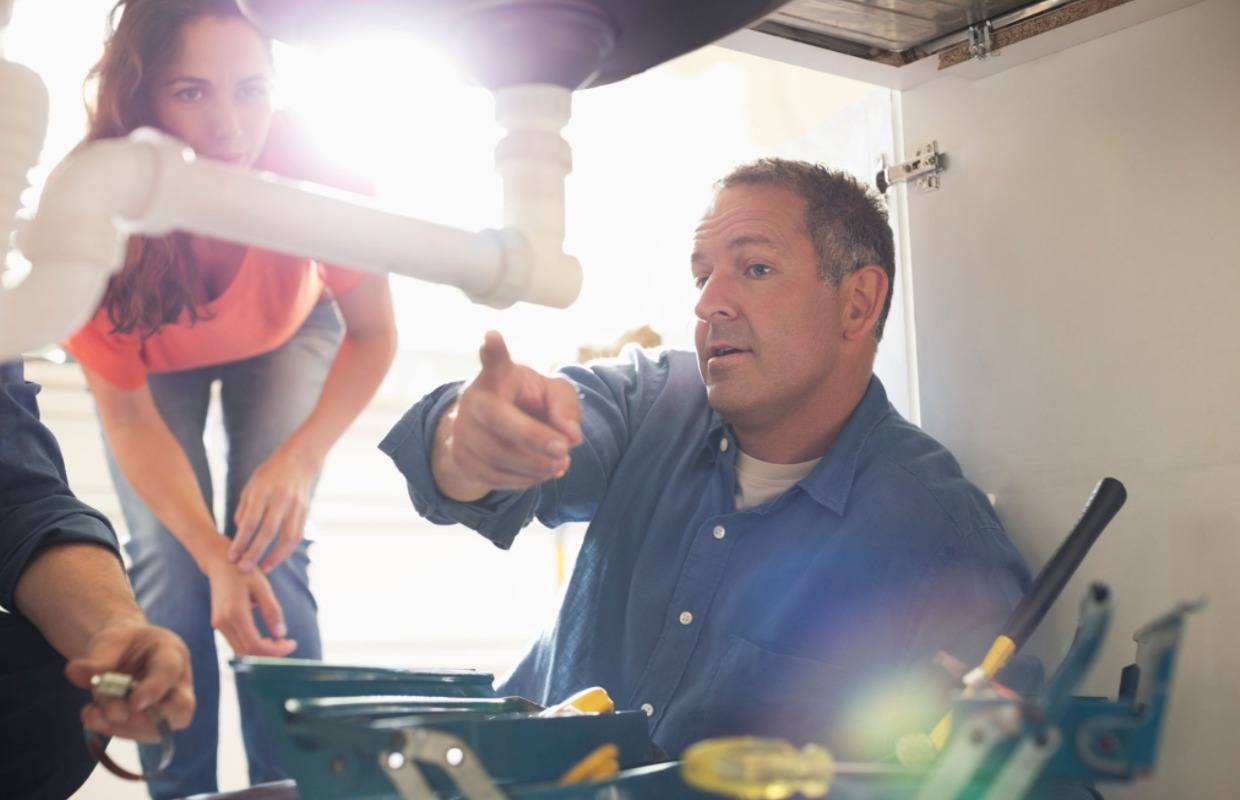
Don’t Let Low Pressure Drain Your Day
Low water pressure can have several causes, from a blocked aerator to a supply or pipe issue. A professional assessment can help determine whether a repair is needed.
Contact Stellar with your address and a description of the issue. Available plumbing services vary by location. Review the proposed scope and price before repair work begins.
Explore related services and advice
Learn about Stellar's plumbing services, or browse service areas.
Related reading: Don’t Get Soaked: The Top 4 Signs of a Hidden Water Leak.


